




If you've been in the nonprofit sector for more than a few years, you've probably heard someone mention a logic model. You may have built one, or been asked to include one in a grant application. But a lot of organizations treat logic models as a compliance checkbox — something to attach to the proposal because the funder asked for it, rather than something that actually improves the work.
That's a missed opportunity. When used well, a logic model is one of the most useful planning tools available, and it makes grant proposals significantly stronger.
What a logic model actually is
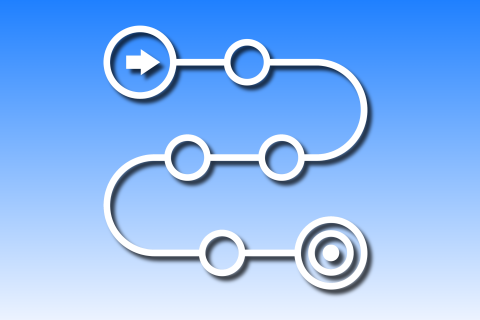
A logic model is a visual map of how your program is supposed to work. It connects your resources and activities to the outcomes you're trying to achieve, showing the logical chain between what you do and what you expect to happen as a result.
The basic structure moves from inputs (what you're putting into the program, including funding, staff, and partnerships) to activities (what the program actually does) to outputs (what the activities produce) to outcomes (what changes for participants in the short, medium, and long term).
When those elements are lined up and the connections between them make sense, you have a program theory that you can explain to a funder, implement with your team, and evaluate over time. When they don't line up, that's important information too.
Why building one before you write helps
Developing a logic model before you start writing a proposal forces you to think through questions that a lot of organizations skip in the rush to get something submitted.
Does the program have enough activity to produce the outcomes being claimed? Are the outcomes realistic given the intensity and duration of the intervention? Is there a logical reason to believe that doing these specific things will lead to these specific changes? Reviewers ask these questions when they read proposals, and a proposal built on a clear logic model tends to answer them naturally because the thinking has already been done.
The logic model also makes the outcomes section much easier to write. Once you've mapped out what you expect to happen and in what sequence, writing specific, measurable outcomes becomes a matter of translating the map into language rather than trying to figure out from scratch what you're claiming your program will achieve.
What it looks like in a proposal
Some funders ask for a logic model diagram to be included directly in the application. Others don't mention it at all but are essentially looking for the same thinking in how the proposal is written. Either way, the process of building one is valuable.
Even if no diagram appears in the final proposal, a program planned with a logic model reads differently than one that wasn't. The connections between the problem, the activities, and the expected outcomes are clear. The evaluation plan follows logically from the outcomes. The methods are proportionate to what's being claimed. Reviewers respond to that coherence, even if they can't always name exactly what they're noticing.
A common concern
Some organizations worry that a logic model will make their work look too mechanical or oversimplified, especially for programs that deal with complex human situations. That concern makes sense, but a logic model doesn't have to flatten the complexity of your work. It gives you a framework for communicating that work clearly to someone who doesn't already understand it.
Funders are being asked to make an investment decision. A logic model helps them see the reasoning behind yours. That's not reductive. That's just good communication.
Getting started
You don't need a special tool or a complicated template to build a useful logic model. Start with your outcomes — what do you believe will change for participants — and work backward. What would they need to experience for that change to happen? What activities would produce that experience? What resources does your organization need to deliver those activities? Once those questions have clear answers, the logic model is mostly built.
If you find that you can't answer one of those questions clearly, that's the place to focus your program planning before the proposal gets written.
The Grantsmanship Center's training programs teach logic models as a core part of the program planning and proposal development process. If you'd like to develop these skills with expert guidance, visit tgci.com to find a training that works for your schedule.
Get funding. Create change.